Ever walked into a clean, fresh-smelling home and felt instantly more relaxed? That’s not just in your head—it’s science. A clean home does more than just look nice; it helps keep you healthy. But beyond tidiness, let’s talk about the real MVP: proper sanitation.
So, why is proper sanitation necessary in a house? Great question—and the answer might surprise you. It goes far beyond just wiping down counters or vacuuming floors. Let’s dive into why sanitation matters, what it really means, and how it affects you and your loved ones every single day.
Sanitation vs. Cleaning: What’s the Difference?
First, it’s helpful to know that cleaning and sanitizing aren’t the same thing. Cleaning removes visible dirt and dust. Sanitizing goes a step further—it kills bacteria, viruses, and other harmful germs that you can’t see.
Think of it like this:
- Cleaning = wiping peanut butter off the counter
- Sanitizing = killing the invisible bacteria from that same peanut butter
Both are important, but sanitation is what really helps keep illness at bay.
Germs Are Sneaky: They Love the Places You Overlook
You might be surprised at where germs like to hang out. According to the National Sanitation Foundation (NSF), common household items like kitchen sponges, faucet handles, and toothbrush holders are among the germiest places in a home.
Without proper sanitation, these everyday spots can become breeding grounds for:
- Bacteria like E. coli and Salmonella
- Viruses such as norovirus or the flu
- Mold and mildew
- Dust mites and allergens
And those can lead to everything from food poisoning to chronic allergies.
Protecting Your Health (And Your Family’s)
One of the biggest reasons why proper sanitation is necessary in a house is health—plain and simple. Your home is where you cook, sleep, play, and spend time with loved ones. When sanitation slips, the risks rise.
Sanitizing surfaces regularly can help:
- Prevent the spread of colds, flu, and viruses
- Reduce asthma and allergy symptoms
- Protect children, the elderly, and immune-compromised people
- Improve indoor air quality
Fun fact: The EPA says indoor air can be up to 5 times more polluted than outdoor air. Proper sanitation, including dusting and vacuuming with a HEPA filter, can improve that significantly.
Food Safety Starts at Home
You wouldn’t want to get sick from something you made in your own kitchen, right? That’s why sanitation is especially critical in cooking areas.
- Wipe down counters and cutting boards with disinfectant after prepping raw meat.
- Sanitize the sink and faucet handles—two major hotspots for bacteria.
- Clean out your fridge monthly to avoid mold and spoiled food buildup.
Even something as simple as washing your dish sponge regularly (or replacing it every 1–2 weeks) makes a big difference.
Keeps Pests Out (Without Harsh Chemicals)
Proper sanitation helps deter pests like ants, cockroaches, and mice. These critters aren’t just annoying—they carry germs, contaminate food, and can trigger allergies.
Keeping your home sanitary by doing things like:
- Sealing up food in airtight containers
- Cleaning crumbs and spills promptly
- Taking out the trash regularly
…can help you avoid the need for strong chemical pest control later.
Mental Clarity Starts in a Clean Space
Here’s something less obvious but just as real: A clean, sanitized home is good for your mental health. Studies show that clutter and mess can raise cortisol (the stress hormone), while tidy, clean environments can help you feel calmer and more focused.
It’s not just about physical health—sanitation supports peace of mind, too.
How to Maintain Proper Sanitation at Home
Keeping things clean and safe doesn’t mean you have to scrub for hours every day. A few consistent habits go a long way:
- Disinfect high-touch surfaces daily (think doorknobs, remote controls, light switches)
- Clean bathrooms weekly with antibacterial solutions
- Sanitize kitchen counters and appliances after use
- Don’t forget linens: wash bed sheets and towels regularly
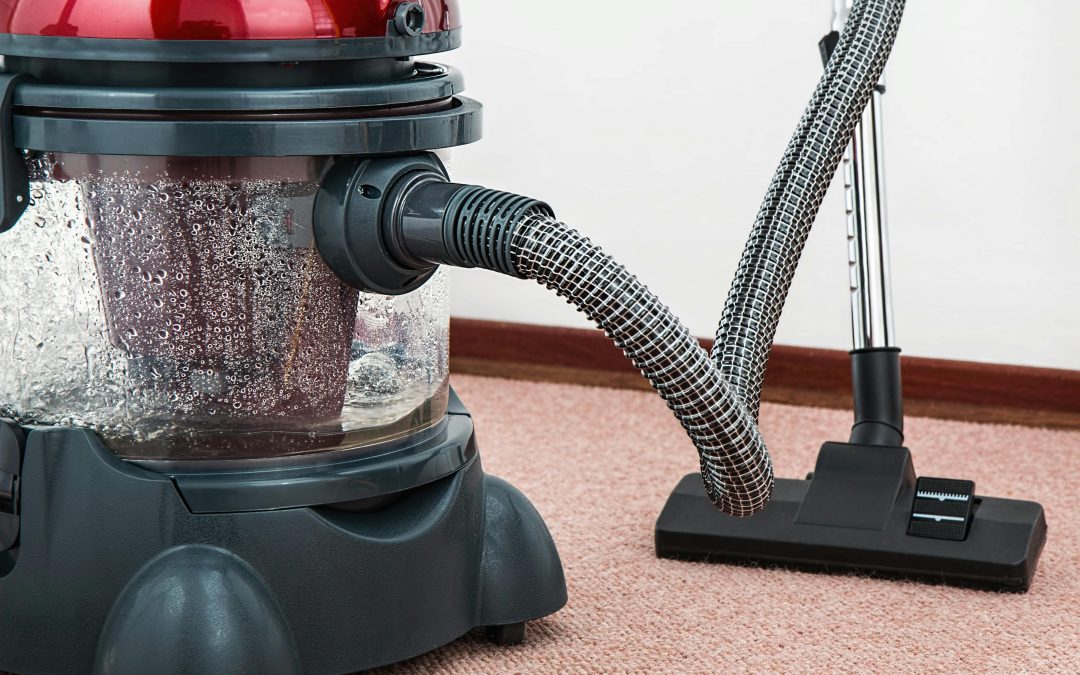
- Keep floors swept or vacuumed to reduce dust and allergens
And hey, it’s okay to bring in some help. Hiring a cleaning service once in a while—or regularly—can keep you on track and save you time.
Final Thoughts: Sanitation Is Self-Care
So, to answer the big question—why is proper sanitation necessary in a house? Because it protects your health, helps you breathe easier (literally and figuratively), and creates a space where you can thrive.
You don’t need to aim for “Pinterest-perfect” every day. But a few mindful steps toward sanitation? Totally worth it. A clean home is more than just a nice feeling—it’s a healthy foundation for everything else in your life.