
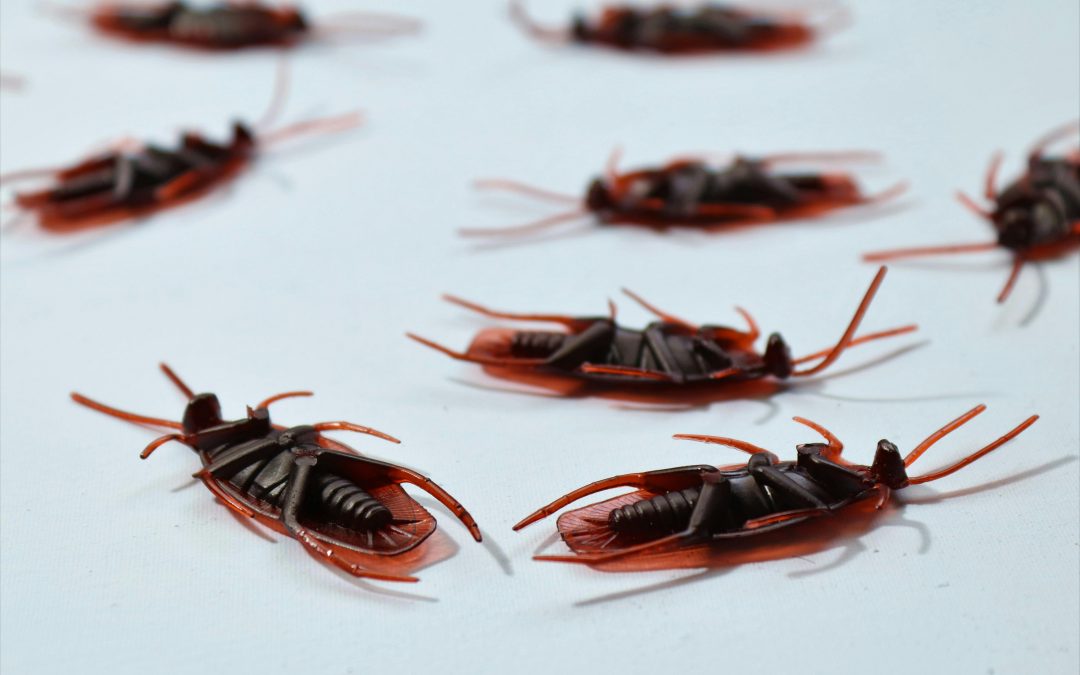
Nobody likes surprise visitors—especially the kind with six legs and antennae. Whether it’s ants in your kitchen or mice in the attic, pest problems are frustrating, costly, and sometimes even dangerous to your health. But here’s the good news: prevention is totally possible.
So, which is the best way to prevent pest infestations? The truth is, it’s not one magic fix. It’s a mix of habits, home maintenance, and knowing what signs to look for early.
Let’s walk through the most effective, easy-to-follow strategies to keep pests out before they even become a problem.
Why Prevention Is Better Than Cure
Dealing with a pest infestation after it starts is way harder (and more expensive) than stopping it in the first place. According to the National Pest Management Association, U.S. homeowners spend over $2 billion annually on termite damage repairs alone. And that’s just one type of pest!
By taking preventive steps, you save money, protect your home, and avoid stress.
Start With These Simple Habits
Before calling in the pros, there are plenty of everyday things you can do to make your space less inviting to pests.
Here’s what to stay on top of:
- Keep food sealed and stored properly – Pests love open food containers, crumbs, and pet food left out overnight.
- Take out the trash regularly – A full bin is a buffet for roaches, flies, and rodents.
- Fix leaks and standing water – Damp environments attract mosquitoes, silverfish, and termites.
- Declutter storage areas – Pests like to hide in piles of boxes, old newspapers, and dark corners.
Building these habits is one of the most underrated (but powerful) ways to protect your home.
Seal Up Entry Points
This one is big. Most pests don’t magically appear—they get in through cracks, gaps, and tiny openings around your home.
To stop that:
- Inspect windows, doors, and baseboards for gaps
- Install door sweeps and weather stripping
- Seal around pipes and utility lines with caulk or foam
- Use mesh screens on vents and chimneys
So which is the best way to prevent pest infestations from the outside? Keeping them out in the first place.
Yard Maintenance Matters More Than You Think
A lot of pest issues actually start outside.
Here’s how to pest-proof your outdoor space:
- Trim bushes and tree branches away from your house
- Don’t let mulch or wood touch your home’s foundation
- Empty birdbaths and plant saucers to avoid standing water
- Keep garbage cans sealed and away from doors or windows
A clean, well-maintained yard creates fewer hiding spots for pests like spiders, ants, and rodents.
Know the Seasonal Threats
Different pests show up depending on the time of year, so being aware of seasonal changes helps you stay ahead.
- Spring/Summer: Ants, mosquitoes, wasps, termites
- Fall/Winter: Rodents, spiders, cockroaches
Prepare in advance by doing seasonal checks and adjusting your pest prevention steps accordingly.
When to Call the Pros
Sometimes, despite your best efforts, pests still find a way in. And that’s okay—early detection and quick action make a huge difference.
Here are signs you might need professional help:
- Droppings or strange smells
- Scratching or squeaking noises in walls or ceilings
- Damaged wood, holes, or nests
- Seeing multiple bugs in a short time
Many pest control companies offer preventive plans, which can be great if you live in a pest-prone area or just want peace of mind.
So, Which Is the Best Way to Prevent Pest Infestations?
To answer the big question—which is the best way to prevent pest infestations—it’s really a combination of things:
- Keep your home clean and food sealed
- Eliminate moisture and fix leaks
- Seal up all entry points
- Maintain your yard
- Know the seasonal risks
- Act quickly if you spot warning signs
No single trick works for every home or every pest, but with consistent habits and a little awareness, you can avoid most infestations before they start.
Final Thoughts
Preventing pests isn’t about paranoia—it’s about preparation. With a few smart steps and some regular maintenance, you can protect your home and avoid the hassle (and gross factor) of dealing with bugs and rodents.
So now that you know which is the best way to prevent pest infestations, it’s time to take action—because the best pest problem is the one that never happens.