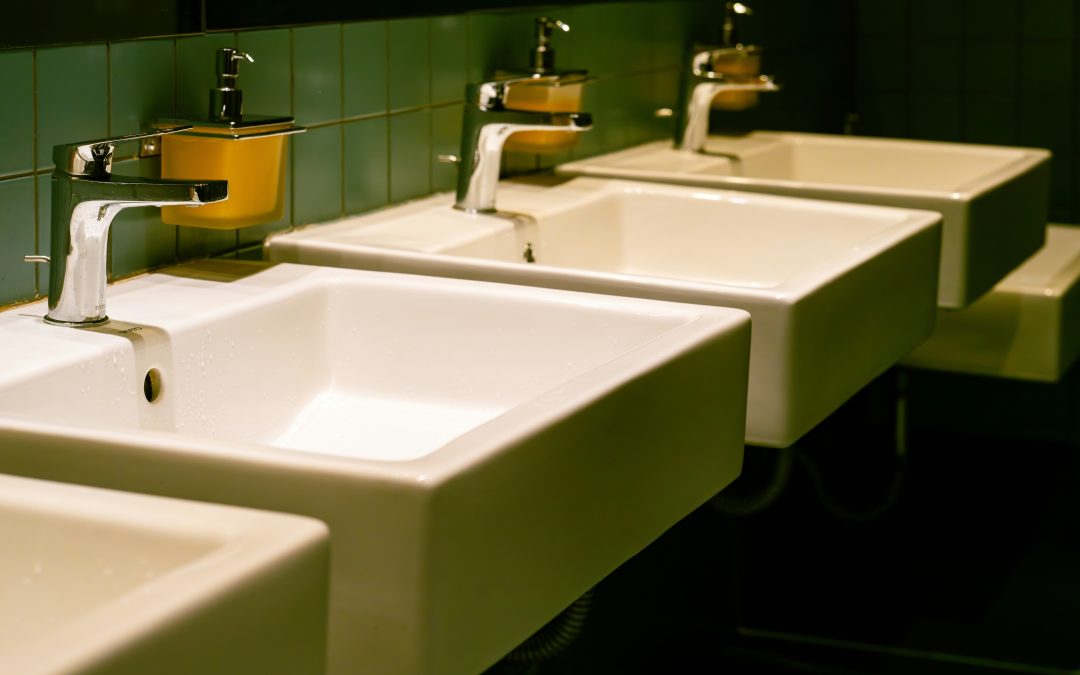
Keeping restrooms clean is more than just about looks. It is about health, hygiene, and creating a welcoming environment. Whether it is a home bathroom, a workplace restroom, or a public facility, restroom cleaning and sanitization play a big role in preventing the spread of germs and ensuring comfort for everyone who uses the space.
According to the CDC, surfaces like sink handles, toilet flush levers, and door handles can harbor harmful bacteria and viruses for hours or even days. That is why regular restroom cleaning and sanitization are essential for maintaining a healthy space. Let’s go over some practical tips to get it right.
Why Restroom Cleaning and Sanitization Matter
Restrooms are one of the most frequently used spaces, and they can easily become a breeding ground for bacteria if neglected. A dirty restroom can:
- Spread germs and cause illness
- Create unpleasant odors that turn visitors away
- Harm the reputation of businesses and organizations
In homes, keeping restrooms clean is equally important. It not only helps prevent sickness but also makes the space more comfortable for family members and guests.
Key Steps for Effective Restroom Cleaning and Sanitization
If you want to keep your restroom sparkling clean and germ-free, following a proper routine is key. Here are some steps to guide you:
- Start with Dusting and Decluttering
Remove trash, dust vents, and clear out any items lying around. This makes cleaning more efficient. - Clean High-Touch Surfaces
Pay attention to doorknobs, faucet handles, toilet flush buttons, and dispensers. These spots are where germs tend to spread the most. - Scrub Toilets and Urinals
Use a disinfectant cleaner and a toilet brush to remove stains, odors, and bacteria. Make sure to clean under the rim, which often gets overlooked. - Wipe Down Mirrors and Counters
Use a streak-free glass cleaner for mirrors and a disinfectant for counters and sinks. - Mop Floors with Disinfectant
Restroom floors collect a lot of dirt and germs. Mopping with a disinfectant solution helps keep them sanitary. - Restock Supplies
Ensure soap, paper towels, and toilet paper are always available. This simple step improves user experience and hygiene.
Best Practices for Sanitization
Cleaning removes dirt, but sanitization takes it a step further by killing harmful germs. Here are some best practices:
- Use EPA-approved disinfectants that are proven to kill viruses and bacteria.
- Follow the product instructions carefully, including contact time (the time the surface should remain wet with the disinfectant).
- Sanitize daily in high-traffic restrooms, and at least weekly in smaller residential bathrooms.
- Train staff in businesses and organizations on proper cleaning and sanitization techniques.
Green and Safe Cleaning Options
If harsh chemicals bother you, consider eco-friendly options. Vinegar, baking soda, and hydrogen peroxide can be effective alternatives for restroom cleaning and sanitization. Many eco-conscious cleaning products are also available that disinfect without strong chemical odors.
Final Takeaway
Restroom cleaning and sanitization are not tasks to put off. A clean restroom shows that you value health, hygiene, and comfort. Whether you are maintaining your own bathroom or managing a facility with many users, setting a consistent cleaning and sanitization routine is key.
A spotless restroom not only looks good but also keeps everyone safe from germs. So next time you grab your cleaning supplies, remember you are not just making the space look fresh, you are protecting the people who use it.