
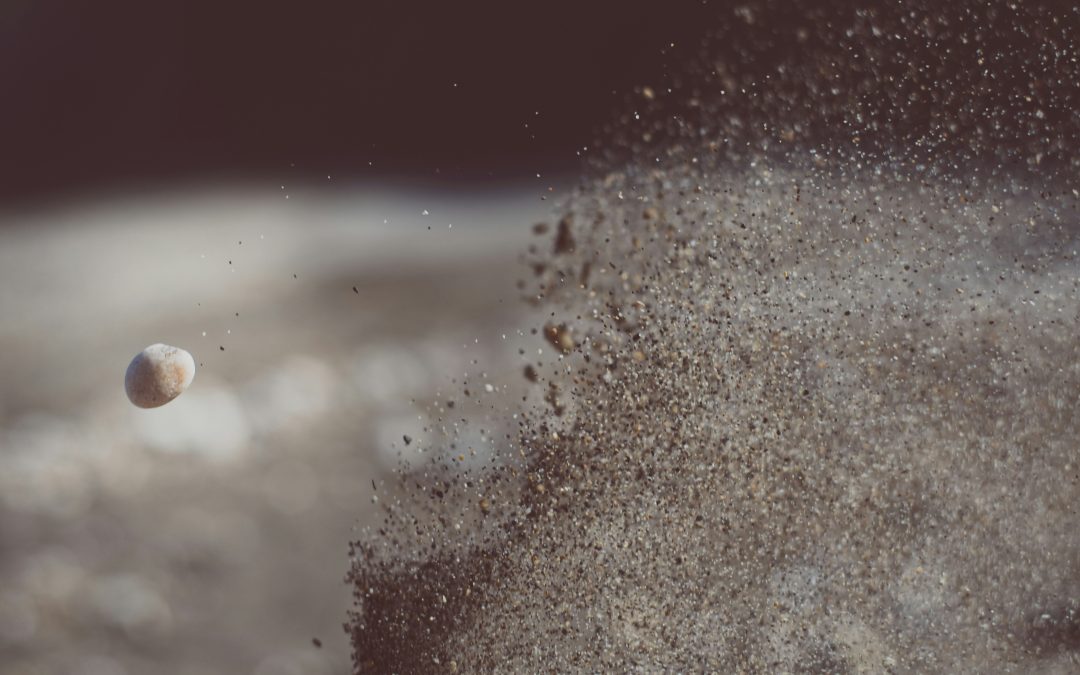
Dust has a sneaky way of settling on every surface—tables, blinds, floors, even ceiling fans. But when you start cleaning, it often feels like you’re just spreading it around instead of getting rid of it. The secret to truly dust-free cleaning lies in knowing how to clean dust without it flying everywhere. With the right tools, techniques, and timing, you can trap dust effectively and keep your home fresh without sending particles floating into the air.
Why Dust Flies During Cleaning
Dust is made up of fine particles—skin cells, pollen, fabric fibers, pet dander, and even tiny soil particles. When disturbed, these lightweight bits easily become airborne. Traditional dry dusting with a feather duster or dry cloth often pushes dust around rather than capturing it. The goal is to trap and remove dust, not move it from one spot to another.
Step 1: Start from the Top
Always begin cleaning from the highest surfaces in the room—like ceiling fans, shelves, and curtain rods—and work your way down to the floors. Dust naturally falls as you clean, so tackling upper surfaces first ensures you don’t have to repeat your work.
- Use a microfiber duster with an extendable handle for ceiling corners and fans.
- Avoid shaking dusters or flicking cloths; instead, move slowly and wipe in one direction.
- After cleaning each surface, rinse or shake your duster outdoors to remove trapped particles.
By moving methodically from top to bottom, you ensure that any fallen dust is caught when you clean the lower surfaces later.
Step 2: Use a Damp Cloth Instead of a Dry One
One of the simplest and most effective ways to prevent dust from flying around is to use a slightly damp microfiber cloth. The moisture helps capture dust rather than scattering it.
- Dampen the cloth with water or a 50/50 mix of water and white vinegar for extra cleaning power.
- Wring it out thoroughly—it should be barely wet, not dripping.
- Wipe gently in smooth motions and rinse the cloth often.
Microfiber cloths are ideal because they have electrostatic properties that attract dust, holding onto it until you rinse it out. Unlike paper towels or old T-shirts, microfiber doesn’t leave lint behind.
Step 3: Clean Air Vents and Filters Regularly
If you find dust returning soon after cleaning, your air system may be circulating it. Cleaning your HVAC vents, filters, and fans helps reduce airborne dust.
- Replace or clean air filters every 1–3 months, depending on your system and household size.
- Vacuum vents and grilles using a brush attachment.
- Wipe fan blades and air conditioners with a damp cloth.
For extra freshness, consider using an air purifier with a HEPA filter—it traps fine dust and allergens before they settle.
Step 4: Vacuum with the Right Attachments
Vacuuming is one of the best ways to trap dust—if done correctly. The key is to use a vacuum with a HEPA filter that prevents particles from escaping back into the air.
- Vacuum upholstery, curtains, and cushions using the soft brush attachment.
- Use the crevice tool for corners, baseboards, and window tracks.
- Vacuum slowly and methodically to let suction capture all dust particles.
Avoid sweeping dry floors with a broom—this stirs up dust clouds. Instead, vacuum hard floors or use a damp mop to trap fine particles.
Step 5: Don’t Forget Soft Surfaces
Soft materials like curtains, carpets, bedding, and upholstered furniture can trap large amounts of dust. Regular maintenance keeps it from building up.
- Wash bedding weekly in hot water to remove dust mites.
- Vacuum carpets and rugs twice a week, especially in high-traffic areas.
- Shake out cushions and curtains outdoors instead of indoors to avoid releasing dust inside.
- For drapes, use a handheld steamer or vacuum with a fabric attachment.
These steps prevent soft furnishings from becoming dust reservoirs.
Step 6: Tackle Electronics and Delicate Items Carefully
Electronics like TVs, laptops, and sound systems attract dust quickly due to static electricity. To clean them without sending dust flying:
- Turn off and unplug devices first.
- Use a dry microfiber cloth (or slightly damp if needed) to wipe screens and surfaces.
- For keyboards, use compressed air outdoors or a handheld vacuum with a brush attachment.
Avoid using paper towels or rough fabrics—they can scratch screens and spread dust.
Step 7: Use Anti-Static and Dust-Repellent Products
After cleaning, you can keep dust away longer by using anti-static sprays or natural dust repellents. These products reduce static electricity, which attracts dust in the first place.
For a DIY alternative, mix a few drops of fabric softener with water in a spray bottle. Lightly mist surfaces (like wooden furniture or baseboards) and wipe dry. This helps repel dust while leaving a subtle shine.
Step 8: Control Humidity Levels
Dry air allows dust to float easily. Keeping indoor humidity between 40% and 50% helps dust settle more quickly and makes it easier to clean.
- Use a humidifier during dry seasons.
- Add houseplants like peace lilies or spider plants—they naturally trap dust and improve air quality.
Balanced humidity not only reduces airborne dust but also keeps your home feeling fresher and more comfortable.
Step 9: Clean Floors the Smart Way
Floors are the final step since they collect everything that falls during cleaning. To avoid stirring up dust:
- Vacuum first to remove most debris.
- Follow with a damp microfiber mop to trap remaining particles.
- Avoid dry sweeping, which only lifts dust back into the air.
If you have hardwood floors, use a gentle cleaner designed for wood surfaces to avoid streaks while maintaining shine.
Step 10: Make Dusting a Routine
The longer dust sits, the more it spreads. Instead of deep-cleaning occasionally, dust lightly and often.
- Spend five minutes a day wiping high-touch surfaces like tables, TV stands, and window sills.
- Change bedding weekly and vacuum regularly.
- Keep clutter minimal—fewer items mean fewer dust-collecting surfaces.
Frequent light cleaning prevents dust buildup and keeps the air in your home noticeably cleaner.
Final Thoughts
Learning how to clean dust without it flying everywhere is all about using the right tools and techniques. Microfiber cloths, damp cleaning methods, HEPA vacuums, and consistent upkeep can make your home feel fresher and healthier almost instantly.
Instead of chasing dust through the air, trap it where it lands. Start from the top, clean smartly, and finish with your floors. With these simple steps, you’ll spend less time sneezing and more time enjoying a truly clean home.