There is something instantly satisfying about walking into a freshly cleaned space. The air smells lighter. Surfaces shine. Floors feel smooth under your feet. It looks effortless. But behind that fresh and polished result is a well structured process.
If you have ever wondered how professional cleaning works, you are not alone. Whether for homes, offices, or commercial buildings, professional cleaning involves far more than wiping down surfaces. It combines planning, technique, equipment, and consistency to deliver reliable results.
Let us take a closer look at what actually happens behind the scenes.
Why Professional Cleaning Matters More Than Ever
Clean spaces are not just about appearance. They play a direct role in health and productivity.
According to the Centers for Disease Control and Prevention, regular cleaning of high touch surfaces helps reduce the spread of germs and respiratory illnesses. In workplaces, cleanliness can influence employee morale and customer impressions.
In fact, surveys from facility management organizations often show that employees feel more productive and comfortable in clean environments. That is one reason businesses invest in regular cleaning services.
Understanding how professional cleaning works helps you see why it is considered an essential service in both residential and commercial settings.
Step One: Initial Assessment and Planning
Every professional cleaning job begins with an assessment.
Cleaning teams evaluate:
- The size of the space
- Type of property such as residential or commercial
- Level of dirt or buildup
- High traffic areas
- Special surfaces like hardwood, marble, or carpet
This step ensures that the cleaning plan matches the specific needs of the property.
For example, a medical clinic requires different cleaning protocols than a small apartment. Offices with high foot traffic may need daily attention, while a home might only require weekly service.
Planning is the foundation of how professional cleaning works efficiently and safely.
Step Two: Choosing the Right Equipment and Products
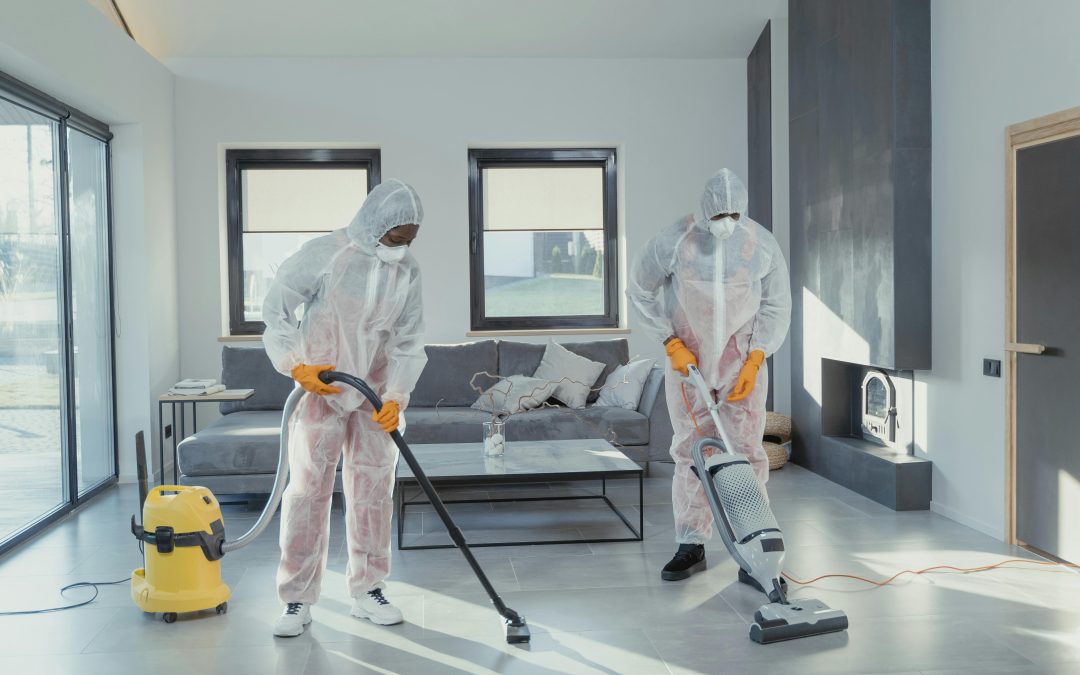
Professional cleaners use specialized tools that go beyond household supplies.
Common equipment includes:
- Commercial grade vacuum cleaners with HEPA filters
- Microfiber cloths that trap dust effectively
- Floor scrubbers and polishers
- Steam cleaners for deep sanitizing
- Extension tools for high surfaces
HEPA filters are especially important in improving indoor air quality. The Environmental Protection Agency explains that HEPA filtration can capture fine particles such as dust, pollen, and pet dander.
Cleaning products are also selected carefully. Many companies now offer eco friendly options that reduce harsh chemical exposure while still maintaining effectiveness.
Choosing the right tools is a key part of how professional cleaning works to achieve consistent results.
Step Three: Systematic Cleaning Approach
Professional cleaners follow a methodical system rather than cleaning randomly.
A typical approach includes:
- Cleaning from top to bottom so dust falls downward
- Working from back to front to avoid stepping on freshly cleaned areas
- Starting with dry tasks like dusting before wet tasks like mopping
This structured process saves time and prevents recontamination of cleaned surfaces.
For example, ceiling fans and shelves are dusted first. Then countertops are wiped down. Floors are cleaned last. This sequence ensures efficiency and thoroughness.
This organized workflow is central to how professional cleaning works in both homes and commercial spaces.
Step Four: Focus on High Touch Areas
High touch surfaces receive special attention because they are more likely to spread germs.
These areas include:
- Door handles
- Light switches
- Remote controls
- Elevator buttons
- Desk surfaces
- Shared equipment
Disinfection procedures are often applied after cleaning. Cleaning removes dirt and debris, while disinfecting targets microorganisms.
It is important to note that disinfectants require proper contact time to be effective. Professionals are trained to follow manufacturer guidelines, which ensures better results.
Understanding this distinction between cleaning and disinfecting is another important piece of how professional cleaning works.
Step Five: Deep Cleaning vs Routine Cleaning
Not all cleaning services are the same.
Routine cleaning typically includes:
- Dusting
- Vacuuming
- Mopping
- Bathroom and kitchen surface cleaning
- Trash removal
Deep cleaning goes further. It may involve:
- Cleaning behind appliances
- Washing baseboards
- Scrubbing grout
- Shampooing carpets
- Detailed upholstery cleaning
Deep cleaning is often scheduled quarterly or during move in and move out situations.
Knowing the difference helps you decide what level of service you need.
Step Six: Quality Control and Inspection
Professional cleaning companies often implement quality checks.
Supervisors may inspect completed work to ensure:
- Surfaces are streak free
- Floors are properly cleaned
- Trash is removed
- Supplies are restocked if needed
In commercial settings, cleaning logs may be maintained to document service dates and tasks completed.
This quality control step reinforces reliability and accountability. It is another example of how professional cleaning works beyond just wiping surfaces.
Step Seven: Custom Schedules and Ongoing Service
One of the biggest advantages of professional cleaning is consistency.
Services can be scheduled:
- Daily
- Weekly
- Biweekly
- Monthly
Commercial properties such as offices, retail stores, and medical facilities often require frequent service due to high traffic. Homes may benefit from regular maintenance to prevent buildup.
Consistency helps maintain cleanliness without allowing dirt and grime to accumulate.
When people ask how professional cleaning works over the long term, the answer often lies in routine and reliability.
Safety and Training Standards
Professional cleaners are trained in safety protocols.
This may include:
- Proper chemical handling
- Equipment operation training
- Slip and fall prevention
- Use of personal protective equipment
Training reduces the risk of accidents and property damage. It also ensures compliance with health and safety standards.
Safety awareness is an essential yet often overlooked part of how professional cleaning works.
The Benefits Beyond Clean Surfaces
A professionally cleaned space offers benefits that extend beyond appearance.
These include:
- Improved indoor air quality
- Reduced allergens
- Lower risk of illness transmission
- Enhanced professional image
- Increased comfort and peace of mind
For businesses, cleanliness can influence customer perception. For homeowners, it can free up valuable time and reduce stress.
Professional cleaning supports both health and convenience.
Final Thoughts on How Professional Cleaning Works
At first glance, cleaning might seem straightforward. However, once you understand how professional cleaning works, you see the structure and strategy behind it.
It begins with assessment and planning. It relies on specialized tools and systematic techniques. It includes attention to high touch areas and proper disinfecting methods. It continues through quality control and consistent scheduling.
Whether you are managing a busy office or maintaining a comfortable home, professional cleaning services provide more than surface level results. They create healthier environments and dependable routines that support daily life.
When done properly, professional cleaning becomes an investment in well being, productivity, and long term care for your space.